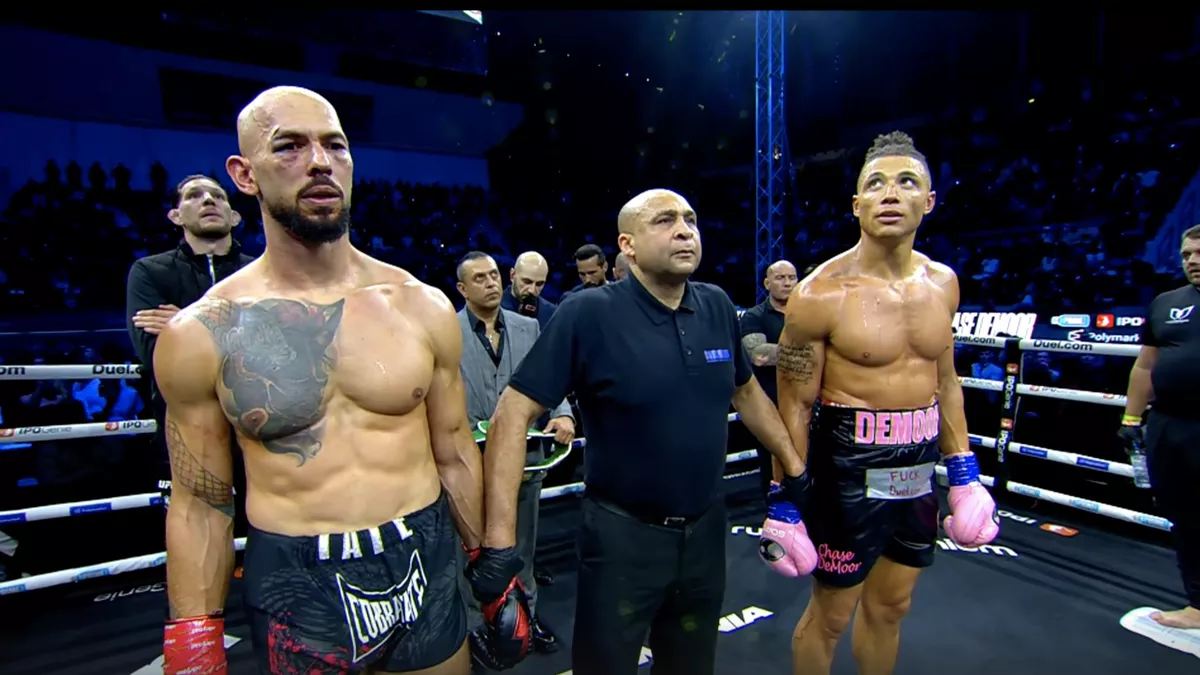
Andrew Tate’s boxing debut at Misfits Mania was never just another influencer fight; it was a live stress‑test of his aura, his conditioning, and the hype surrounding one of the internet’s most polarising figures. For anyone who bets on combat sports or just loves watching narratives collide in the ring, this bout told you a lot about how influencer boxing really works and where the edges might be next time.
Introduction: Why Andrew Tate’s Boxing Debut Mattered
When people searched for “Andrew Tate boxing debut”, they weren’t just asking who won – they wanted to know whether his kickboxing pedigree would actually carry over against a big, active Misfits heavyweight like Chase DeMoor. As someone who has spent a decade following fighting and betting markets, the most interesting part was how the fight exposed gaps between perception, pricing and what the judges really reward on the night.
In this article for The Online Betting Club, the aim is to walk through Tate’s debut in clear English: what the rules were, how the fight played out, where the judges’ decision came from, and what smart bettors can learn before they touch another influencer‑boxing card. The phrase Andrew Tate boxing debut will come up a few times, but the real value is in understanding patterns you can actually use.
Tate vs DeMoor: Tale of the Tape and Event Context
Andrew Tate came into Misfits Mania in Dubai as a former world‑champion kickboxer returning to combat sports after roughly five years out, now stepping into a full‑boxing rule set for the first time. Chase DeMoor, by contrast, is a reality‑TV star turned Misfits regular who had boxed multiple times in 2025 alone and went in as the promotion’s heavyweight champion despite being treated as the underdog in a lot of coverage.
The event itself – Misfits Mania: The Fight Before Christmas at the Dubai Duty Free Tennis Stadium – was built as a year‑end showcase for the Misfits brand, with Tate vs DeMoor as the headline and names like Tony Ferguson vs Warren Spencer on the undercard. From a betting and interest point of view that matters: stacked influencer cards tend to attract casual money on the biggest name, which in this case was Tate by a mile.
Rules, Rounds and the Not‑So‑Obvious Edges
Before you talk about who “should” have won, you have to look at the structure of the Andrew Tate boxing debut fight. The bout was set for six three‑minute rounds, using standard 10‑point‑must scoring with three ringside judges – a more traditional format than some shorter Misfits contests, but still unusual for a title fight.
There was also a 200lb upper weight limit, closer to cruiserweight than a typical open‑ended heavyweight cap, which DeMoor publicly complained about, suggesting Tate had pushed for a number that favoured his own size and conditioning. Both men made weight, but those negotiations give you an early clue to Tate’s thinking: keep the bigger man honest on the scales, keep the fight shorter, and trust his technical edge to show quickly. From a betting angle, whenever you see strange round counts or bespoke weight limits, it is worth asking who pushed for them and why.
Round‑by‑Round: How the Fight Actually Looked
On paper, a former kickboxing champion facing an influencer boxer should be one‑way traffic. In reality, Tate’s boxing debut against DeMoor turned into a momentum fight, not a walkover.
- Early rounds: Tate tried to box, not brawl – jabbing, moving and looking to land clean single shots rather than wasting energy in scrappy exchanges. That matched how many “sharper” punters expected him to approach the fight: conserve the gas tank after years away, pick DeMoor off and let the other man look clumsy.
- Middle and late rounds: as the minutes added up, DeMoor’s size, activity and pressure began to tell, with longer spells on the front foot and more of the scrappy exchanges judges often reward as “effective aggression” in high‑energy influencer bouts.
Watching these cards over the years, one recurring theme is that clean technique looks great on slow‑motion replays, but three people with clipboards at ringside are more likely to favour the fighter who appears to be forcing the pace. That’s exactly where Tate’s five‑year lay‑off and unfamiliarity with Misfits scoring tendencies seem to have bitten him.
Why the Judges Went With DeMoor
Misfits fights use the same core criteria as standard boxing – clean punching, effective aggression, ring generalship and defence – but in practice there is a big emphasis on “who looked like they wanted it more” when rounds are close. In Tate’s debut, the official result was a decision loss, with scorecards reflecting DeMoor’s stronger second half and more sustained pressure.
From a betting‑education perspective, the takeaways are simple:
- A famous name and prettier technique do not guarantee close rounds on influencer cards.
- Judges are human and crowd‑plus‑pressure sequences can outweigh short bursts of tidy work.
Personally, when scoring influencer or crossover fights at home, a basic rule is to ask: “If I put this round on mute and only watched who was moving forward, throwing and reacting first, who would I pick?” Over and over again, that mental test lines up more closely with official cards than rewatching the one or two clean counters you liked from the other fighter.
What Tate Showed – And What He Didn’t
The Andrew Tate boxing debut answered a few long‑held questions and raised some new ones. On the positive side, his technique in spots – balance, shot selection, composure under early pressure – still showed the backbone of a man who genuinely fought at a high level in kickboxing. He didn’t fold as soon as DeMoor pushed him, and he clearly tried to treat the event as a serious contest rather than a circus.
But a few issues stood out:
- Ring rust: five years out is a long time, and it showed in his output and ability to sustain a pace beyond short bursts.
- Adaptation to pure boxing: without kicks or the different rhythm of kickboxing, Tate looked like a man working hard to translate old habits, not someone fully at home under the ropes.
- Expectation management: when you’ve built an online persona around dominance, a competitive points loss on your first boxing outing feels bigger than it would for a regular fighter. That swing in perception is exactly what casual bettors often miss.
From a punter’s point of view, the gap between “Tate the brand” and “Tate the current boxer” is the information edge. Markets that price reputations rather than skill and format are where value usually hides.
DeMoor’s Night – And the Wider Card
For Chase DeMoor, this was the perfect storm: he walked in as the active champion, beat the promotion’s biggest star and left with his belt and a much bigger profile. In influencer‑boxing terms that sets him up for bigger purses, possible cross‑over bouts and, quite possibly, a rematch if Misfits can sell the controversy and scorecard debates.
The Misfits Mania card around the Andrew Tate boxing debut also told its own story. Former UFC interim champion Tony Ferguson boxed Warren Spencer, adding a “real fighter vs social‑media world” subplot to the show, while other bouts showcased undefeated prospects and influencers sharing the same stage. That mix is deliberate: it keeps both hardcore fight fans and casual viewers engaged, and it creates constant underdog spots where name value and actual ring craft are out of sync.
Lessons for Bettors Watching Influencer Boxing
As a bettor or someone running a site like The Online Betting Club, the goal isn’t to worship or hate these shows – it’s to understand them well enough to make or avoid bets with a clear head. A few practical lessons from the Andrew Tate boxing debut:
- Study rule quirks: six‑round title fights, odd weight caps and smaller rings tend to favour come‑forward volume rather than tidy counter‑punching.
- Fade ring rust when markets overrate it: a big name coming back after years away is almost always overpriced, especially against an active opponent.
- Score like the judges, not like a highlight editor: if one fighter spends more time walking forward and throwing, close influencer rounds usually slide their way.
- Respect Misfits experience: DeMoor had been living this format all year; Tate was playing catch‑up in a new rule set and promotional ecosystem.
In traditional boxing, those points matter; in influencer boxing where narratives are louder and tape‑study is rare, they can be the difference between a smart position and an emotional punt.
Conclusion: What Comes After the Andrew Tate Boxing Debut?
Whether you liked or loathed the outcome, the Andrew Tate boxing debut did what Misfits wanted: it grabbed headlines, stirred argument and set up future storylines they can sell back to you later. For Tate personally, the path back – if he chooses to continue – looks like a choice between carefully matched opponents and genuinely testing whether he can adjust his kickboxing base properly to boxing in his late 30s.
For DeMoor and the promotion, the incentives are obvious: capitalise on the win with callouts, title defences and maybe a “revenge” angle if a rematch makes commercial sense. For readers of The Online Betting Club, the real call to action is simple: next time a huge name heads into influencer boxing, ignore the noise, look at activity, rules, format and judges – and then decide whether the price you’re being offered is value or just vibes.
If you want more breakdowns like this, with a betting lens rather than just another news recap, keep an eye on The Online Betting Club’s fight guides and odds analysis before every big crossover card.
FAQs
1. Who did Andrew Tate fight in his boxing debut?
Andrew Tate’s boxing debut came against Misfits heavyweight champion Chase DeMoor in the main event of Misfits Mania in Dubai.
2. Did Andrew Tate win his boxing debut?
No, Tate lost a decision to Chase DeMoor after six rounds, with judges favouring DeMoor’s pressure and activity over Tate’s cleaner work in spots.
3. How many rounds was the Andrew Tate vs DeMoor fight?
The bout was scheduled for six three‑minute rounds, an unusual distance for a title fight but agreed as part of the Misfits rules for the event.
4. Where did Andrew Tate’s boxing debut take place?
The fight headlined Misfits Mania: The Fight Before Christmas at the Dubai Duty Free Tennis Stadium in Dubai, UAE.
5. Is Andrew Tate likely to fight again in Misfits Boxing?
There is no confirmed rematch or follow‑up bout yet, but the combination of a competitive fight and heavy publicity makes a return under the Misfits banner very possible if all sides see commercial upside.
[…] The Andrew Tate hoax is entertaining, but it hides a few serious lessons that are worth keeping in mind if you bet regularly. […]