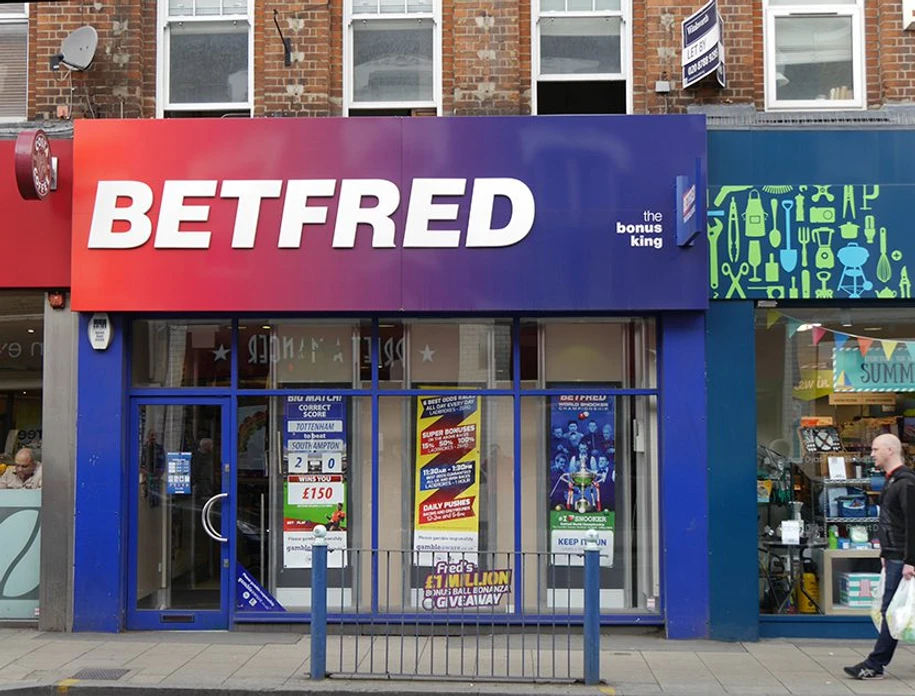
Introduction: Why Betfred’s £825k fine should matter to you
If you bet regularly in UK shops, news of Betfred operator licence failures and an £825,000 penalty might sound like just another headline you scroll past. But fines like this are one of the clearest signals of how seriously regulators are now treating both money‑laundering risk and player protection in Britain.
This article breaks down what actually went wrong at Betfred, how it could change your day‑to‑day experience in betting shops, and what smart punters can learn from it going forward.
What actually happened with Betfred’s £825k penalty?
Done Brothers (Cash Betting) Limited, the company behind Betfred’s UK betting shops, has been ordered to pay £825,000 after a UK Gambling Commission investigation into its anti‑money laundering and safer‑gambling controls. The core of the case was how Betfred monitored and responded to customer activity on its B3 gaming machines across the retail estate.
The Commission concluded that Betfred was unable to effectively identify and manage the money‑laundering risks linked to these machines, even though it had machine alerts and daily reports in place. Importantly, the UKGC stressed that these were predominantly “technical breaches” and that the review did not uncover specific instances of criminal spend in the shops.
As part of the outcome, Betfred has received a formal warning and must undergo an independent third‑party audit to prove that its anti‑money laundering and safer‑gambling procedures are now being applied properly. This is on top of the financial hit and the reputational damage that comes with another regulatory action on the group’s record.
The licence failures in plain English
From a bettor’s perspective, the phrase Betfred operator licence failures sounds technical, but the issues flagged are actually very straightforward.
On the anti‑money laundering side, the UKGC found that:
- Betfred did not have a clear, effective way to see the full picture of what an individual customer was spending across its B3 gaming machines, limiting its ability to spot suspicious patterns or high‑risk play.
- Thresholds for asking about source of funds were set far too high, with losses of £15,000 or stakes of £125,000 over a 12‑month period used as triggers, which the Commission said were not appropriately risk‑based.
- The operator lacked an effective policy for dealing with customers who may be subject to financial sanctions, which is a basic regulatory expectation.
On the social responsibility side, the investigation showed that Betfred was not consistently picking up and acting on indicators of potential gambling harm among machine players. In practice, that meant:
- Signs of risky or escalating behaviour were not always being identified promptly.
- Customer interactions either did not always happen when they should, or were not carried out in a way designed to genuinely reduce the risk of harm.
In a shop, these weaknesses can look like a customer running up long, intense sessions on machines with very little meaningful intervention from staff, even when spend starts to look heavy or erratic.
Betfred’s compliance track record: not a one‑off
This is not the first time Betfred’s retail operation has been pulled up by the regulator. In 2023, Done Brothers agreed to pay a £3.25 million regulatory settlement for earlier social responsibility and anti‑money laundering failures in its betting shops.
On the online side, the group’s Gibraltar‑based entity, Petfre (Gibraltar) Limited, which operates Betfred.com and Oddsking.com, was hit with a £240,000 fine in 2025 over slot games that breached the Remote Technical Standards. Those games failed to show a player’s net position properly and used celebratory effects even when a spin actually left the player in an overall losing position, which regulators said could mislead customers.
When you join the dots, you see a picture of a major operator that has been under sustained pressure to tighten up both its retail and online compliance, not just a single isolated misstep. From a punter’s point of view, that is useful context when deciding where and how much to bet.
What this means for you as a shop customer
So, how do Betfred operator licence failures and a chunky fine filter down to the shop floor? In practice, you should expect:
- More visible checks: Staff may ask more questions about your play, especially if you use machines heavily or over long periods, and there may be more prompts around source of funds and affordability.
- Stronger machine monitoring: Operators are under pressure to join up data so they can see your overall machine spend rather than just individual sessions.
From personal experience watching the sector tighten up over the years, the first reaction from some bettors is annoyance: “Why are they hassling me? I’m just having a bet.” But in reality, these checks are the direct result of operators getting it wrong before and then being forced to raise their game by the regulator.
For most recreational players, the impact is mild: a few extra questions, a nudge to set limits, or the occasional cooling‑off suggestion if you’ve been on the machines for a long stretch. For heavier‑staking customers, though, you can expect more robust affordability questions and, in some cases, stake limits or account restrictions if you cannot provide comfort around your finances.
How bookmakers get AML and safer gambling wrong
Looking at Betfred’s case, several common bookmaker mistakes jump out that are worth understanding as a bettor.
Typical operator errors include:
- Setting thresholds in the clouds: Using very high loss or staking triggers before anyone asks basic questions, which means risk can build up unnoticed.
- Data silos: Treating each machine or session separately instead of building a joined‑up view of customer behaviour, which makes patterns harder to spot.
- Box‑ticking interactions: Logging that “an interaction took place” without checking whether it had any real impact on behaviour or understanding.
- Weak sanctions procedures: Failing to maintain solid processes for checking whether someone is on a sanctions list, which is a hard regulatory requirement.
For players, the practical takeaway is that not all “responsible gambling” signage or staff chats are equal. When a shop takes this seriously, you tend to see staff who know what they are looking for, interventions that feel tailored rather than scripted, and clearer explanations of why they are asking questions.
Regulators tightening the screw on repeat offenders
The Betfred case is just one entry in a long list of sanctions published on the Gambling Commission’s public register, which includes fines, settlements, and licence conditions imposed on a wide range of operators.
Two patterns are worth noting:
- Repeat action attracts more scrutiny: When a group has previously been sanctioned, as Betfred has on both retail and online sides, the regulator is likely to take a dim view of any fresh failings.
- Third‑party audits as a wake‑up call: Being forced to bring in an external auditor is a sign that regulators want proof, not promises, that policies are being followed in real life.
From a wider industry angle, cases like this send a clear message to other bookmakers: technical excuses do not carry much weight if thresholds are too high, data is fragmented, or interactions are not preventing harm. Over time, that pressure should translate into more consistent standards across the high‑street and online brands you use every week.
How to protect yourself as a UK bettor
Fines and public statements are one side of the story; your own habits are the other. Regardless of the Betfred operator licence failures, there are simple, practical steps that help you stay in control.
Key moves include:
- Check the licence: Make sure any bookmaker you use is licensed by the UKGC and appears in the public register, and look at whether they have recent sanctions.
- Use safer‑gambling tools: Set deposit limits, time reminders and loss limits, and use self‑exclusion tools (like GAMSTOP) if you feel your gambling is starting to get away from you.
- Watch your own patterns: Track your sessions and results honestly rather than relying on your memory; if your stake sizes or session length silently creep up, take that seriously.
- Speak up early: If you feel a shop is ignoring obvious signs of harm or treating you unfairly, raise an official complaint and, if needed, escalate to the regulator or an alternative dispute resolution body.
At The Online Betting Club, the focus is always on helping you combine value, entertainment and safety. That means looking beyond headline bonuses and odds and paying attention to how operators behave when it comes to compliance, not just marketing.
Conclusion: Use the news to bet smarter
News about Betfred operator licence failures and another substantial fine is not a reason to panic, but it is a reminder that even big, familiar brands can fall short of the standards regulators expect. As a bettor, the best response is to stay informed, use the tools available, and treat checks and questions as part of a safer, more mature betting environment rather than an inconvenience.
If you want to keep betting smart, explore The Online Betting Club for in‑depth guides on operators, safer‑gambling advice, and practical strategies that help you enjoy your betting without letting it take over. Use this case as a prompt to review your own habits, tighten up where needed, and stick with bookmakers who prove they can meet their responsibilities as well as take your bets.
FAQs
1. Is Betfred still safe to use after these licence failures?
Yes, Betfred remains a licensed operator, and part of the enforcement outcome is a requirement to strengthen its anti‑money laundering and safer‑gambling controls under independent scrutiny. For most customers, the practical impact will be more monitoring and checks rather than a reduction in safety.
2. Will my day‑to‑day betting experience change because of the £825k fine?
You may notice more proactive checks around machine play, affordability and source of funds, along with clearer prompts about setting limits or taking breaks in shops. These changes are designed to protect both the operator and the customer, even if they sometimes feel intrusive.
3. Why does anti‑money laundering compliance matter if I’m not doing anything wrong?
AML rules are there to stop criminal funds flowing through the gambling system, but the tools used—like monitoring high spend and unusual patterns—affect all customers. Strong AML processes also tend to go hand in hand with better record‑keeping and more robust safer‑gambling measures.
4. How can I check if a bookmaker has had similar licence failures?
You can search the UK Gambling Commission’s public register of regulatory actions, which lists fines, settlements, warnings and licence conditions for each operator. This lets you see how recently a bookmaker has been sanctioned and for what type of issue.
5. What happens if bookmakers keep breaching their licence conditions?
If problems persist, the UKGC can escalate from fines and settlements to tougher sanctions such as licence conditions, suspensions, or ultimately revoking a licence entirely. Operators who treat enforcement as a one‑off slap on the wrist rather than a signal to overhaul their controls risk much more serious action in the future.
Further Reading:
Paddy Power fined £2m: what it really means for problem gambling
[…] Betfred operator licence failures […]
[…] Betfred operator licence failures […]