Introduction: A Wild $88 Million Story – And Why Bettors Need the Truth
“Did Andrew Tate bet on himself to lose?” has to be one of the most outrageous questions to explode across fight Twitter and Instagram in years. Within hours of his loss to Chase DeMoor in Dubai, timelines were full of claims that Tate walked away with an $88 million profit after secretly backing his own defeat.
As someone who has worked around online betting, trading and marketing for over a decade, stories like this set off alarm bells instantly. In this article you’ll get the simple answer to whether he really bet against himself, a breakdown of what actually happened in the fight, what match-fixing would mean in reality, and—most importantly—what smart bettors should take away from the whole saga.
What Really Happened in Tate vs DeMoor
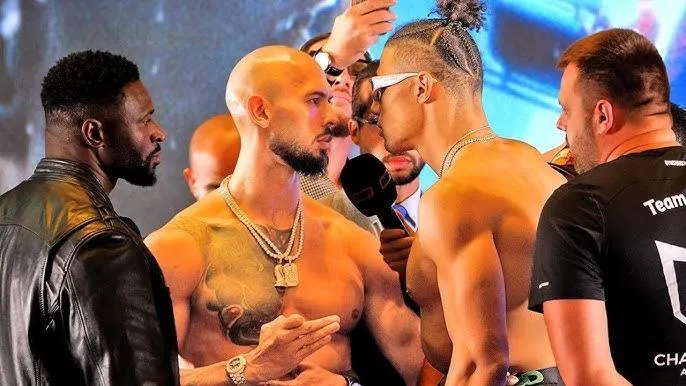
Before tackling the hoax, it helps to understand the event that lit the fuse. Andrew Tate made his Misfits Boxing debut against heavyweight champion and reality TV personality Chase DeMoor on 20 December 2025 at the Dubai Duty Free Tennis Stadium. The bout was scheduled for six rounds and streamed on Rumble Premium, drawing huge interest because Tate had been talking up a combat-sports return for months.
The fight itself did not look like a slick, high-level boxing match. Tate started well, using his speed and experience to jab and work the body, and he clearly took the first round or two. From around the third, though, he began to fade, while DeMoor leaned on clinches, overhand rights and uppercuts to drag the fight into the kind of messy contest where youth and size start to matter.
By the fifth round Tate was bloodied, had touched the canvas, and was visibly exhausted, while DeMoor was still the one coming forward. The judges returned a majority decision in DeMoor’s favour with scores of 58–56, 58–56 and 57–57, and even many Tate supporters admitted that he looked like a 39-year-old who had been out of the sport for years.
The Viral $88 Million Bet Claim – Where It Came From
Right after the decision, the clip that took over social media didn’t show a punch or a knockdown—it was a graphic and caption from the @mma.uncensoredplus account claiming Tate had bet $10 million on himself to lose. The post suggested he walked in as an 88% favourite, deliberately threw the fight, and cashed an $88 million payout by betting against his own hype.
Variations of that same narrative spread to Instagram, Facebook groups and X within hours, often with screenshots of the caption but no verifiable betting slips. The number “88% to win” made it sound as if the math was somehow baked into the story, and because Tate has loudly spoken about making hundreds of millions online, plenty of fans decided the whole thing “fit” his brand.
From a marketing point of view, it is almost the perfect viral cocktail: a controversial influencer, a shock loss, a huge round number, and a rebellious “he beat the system” twist.
Fact-Check: Did Andrew Tate Bet on Himself to Lose?
Here’s the blunt answer: there is no evidence that Andrew Tate bet on himself to lose, and credible reporting has debunked the idea that he made $88 million from such a wager. Detailed fact-checks found no betting records, no statements from licensed bookmakers, and no solid documentation that any regulated operator took an eight-figure bet tied to this fight.
The original viral posts were essentially claims layered on top of pre-fight odds that showed Tate as a strong favourite in some markets—roughly in the 80–88% implied probability range—but that does not automatically create a realistic path to an $88 million profit for a $10 million stake. In fact, if you’ve ever tried to get even mid-six-figure stakes down on niche boxing or influencer cards, you know just how quickly limits and risk teams become a hard stop.
Tate’s own post-fight comments point in the opposite direction. After the loss he talked publicly about being too old, being out of the sport too long, needing to face fear, and said: “I lost fair and square… Chase is a true champion… He deserves that belt.” That is not the language of someone bragging about beating bookmakers; it is the language of a beaten fighter trying to control the narrative around a genuine defeat.
Why Betting Against Yourself Is Match-Fixing, Not “Top G Strategy”
One detail that almost everyone repeating the story glossed over is the most important: betting against yourself in a regulated, sanctioned fight is treated as match-fixing. Under standard integrity rules, a fighter wagering on his own defeat would be committing a serious offence that could trigger criminal investigations, bans, and the collapse of future broadcast and promotional deals.
Sports like snooker, football and tennis have already produced very public examples of what happens when players are caught betting on themselves or manipulating outcomes. One former snooker world champion, for example, was punished for betting on matches involving himself and other players, breaking strict governing-body rules around gambling on the sport. These cases usually end with multi-year suspensions, reputational damage that never fully heals, and in some jurisdictions, criminal consequences.
In boxing and MMA, where matchmaking is already under constant suspicion from fans, regulators and broadcasters have every incentive to crack down on anything that smells like a fix. The idea that someone would openly place a $10 million bet on their own loss with a book that could be audited, while headlining a high-profile card, simply doesn’t line up with how modern integrity protocols work.
The Real Money: Promoter Deals, Streaming and Backend Upside
Instead of a secret “Top G” bet, the real financial story behind Tate vs DeMoor is much more straightforward and, frankly, far more powerful. Tate entered the event not just as a fighter but as a major promotional asset whose name sells subscriptions and pay-per-views. Estimates suggest his upside came from a combination of fight purse and revenue share on Rumble Premium subscriptions tied to the card.
Family and media commentary around the event have mentioned numbers up to around $52 million as a possible top-end figure for his total haul, driven by his ability to drag millions of viewers into a streaming ecosystem. That model—using influence and controversy to create recurring digital revenue—fits perfectly with everything we already know about his business, from online courses to community platforms.
From a betting perspective, this is where the hoax almost becomes unnecessary. If you can generate tens of millions by being the show, you don’t need to risk $10 million on a single result. The economic incentive is to keep events going, maintain fan interest, and milk the narrative over multiple fights and appearances, not to “win the lottery” once and retire.
Why Fans Fell for the Hoax (And What Bettors Should Learn)
So why did the question “Did Andrew Tate bet on himself to lose?” feel plausible to so many people? Part of the answer is psychological, and part of it is just how online betting stories spread.
On the psychological side, Tate’s brand is built around extreme wealth, extreme risk-taking, and a contrarian attitude. If you already believe he has hundreds of millions in the bank and thrives on chaos, the idea of staking $10 million on his own loss doesn’t feel impossible. Combine that with fans who want to believe in secret shortcuts—“the game is rigged but he beat it”—and you have the perfect conspiracy-flavoured narrative.
From the betting side, a lot of casual punters don’t really appreciate how odds, limits and regulation actually work. When you hear that a fighter was “88% to win,” it’s tempting to turn that into a Hollywood script where the underdog win creates instant nine-figure wealth, even if no real-world market would allow those stakes on that event. For many people, the math is secondary to the story.
A Simple Checklist to Spot Viral Betting Hoaxes
Having watched similar stories flare up around boxing, UFC, football and even obscure sports for years, one practical takeaway is to build a simple mental checklist for betting claims. When another “$50m bet” or “insider fix” post pops up, run it through a few filters before you share it or let it influence your own staking.
Here’s the quick process that has saved a lot of punters from embarrassment in my experience:
- Check the source, not the screenshot. Is the claim coming from a regulated bookmaker, credible journalist or official body, or from a meme account that thrives on engagement?
- Look for actual slips and context. A cropped image or Photoshopped slip with no transaction IDs, no operator branding and no stake/payout breakdown is a massive red flag.
- Sanity check the odds and size. Ask whether any regulated market would realistically accept the stated stake on that event at that price; in most cases, the answer is “absolutely not.”
- Remember regulation and integrity rules. If the story requires an athlete to openly violate match-fixing rules, the probability drops dramatically.
- Follow the money trail. If the person already has a more reliable way to earn millions (like streaming, sponsorships or existing businesses), there is less need for a one-off gambling stunt.
Once you start applying those filters, the vast majority of viral betting stories fall apart in seconds.
Lessons for Recreational Bettors After the Andrew Tate $88M Story
The Andrew Tate hoax is entertaining, but it hides a few serious lessons that are worth keeping in mind if you bet regularly.
First, heavy favourites lose. Pre-fight odds in some markets suggested Tate had around an 80–87% chance of winning; that still leaves a big enough slice of outcomes where he loses fair and square to a younger, fresher opponent. If you bet like favourites are “guarantees,” your bankroll will eventually teach you otherwise.
Second, chasing myths is a terrible strategy. If you find yourself thinking, “He must have inside info, that’s why he bet big,” you’re already drifting away from disciplined staking and into story-based gambling. In reality, edge comes from price, information, and execution, not from trying to copy a rumoured mega punt that probably never happened.
Third, separate entertainment from strategy. Influencer boxing, viral posts, and wild payout claims are fun to watch, but they shouldn’t influence how you price a Saturday accumulator or a UFC underdog. Treat them as content, not as templates.
FAQs
1. Did Andrew Tate bet on himself to lose?
No verified evidence shows that Andrew Tate bet on himself to lose to Chase DeMoor, and detailed reporting has debunked the $88 million profit claim as a hoax.
2. Could a fighter really stake $10 million on his own loss with a regulated bookmaker?
It is extremely unlikely because betting against yourself would fall under match-fixing rules, and regulated operators have strict limits and integrity protocols to block suspicious stakes.
3. Where did the $88 million story come from?
The claim appears to have started with a social media post by @mma.uncensoredplus that framed Tate as staking $10 million on his loss at around 88% implied odds, but provided no verifiable proof.
4. How much did Andrew Tate actually make from the fight?
Exact numbers are private, but estimates suggest he earned a very large sum through his purse and revenue share from Rumble Premium subscriptions, with some family suggestions pointing as high as around $52 million in upside.
5. What should bettors learn from the Andrew Tate betting hoax?
Use it as a reminder to verify sources, understand how odds and limits work, respect match-fixing rules, and avoid letting viral stories dictate your staking or strategy.