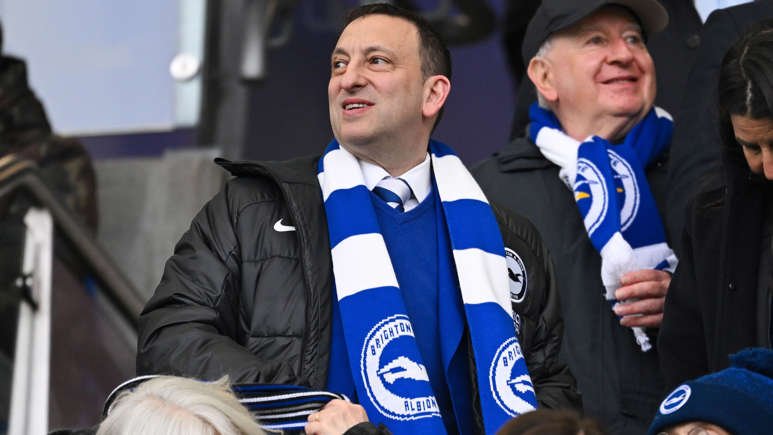
Introduction: When Football, Power, and Politics Collide
Every few years, English football is shaken by a headline so outrageous it makes supporters, sponsors, and regulators all ask the same question — how deep does the money go? The latest claim that a Premier League club owner secretly ran a £600m betting syndicate fronted by Nigel Farage’s former aide has done just that.
It’s more than a scandal; it’s a wake-up call about the growing link between football ownership, gambling money, and political influence. This story promises to lay bare how blurred those boundaries have become — and why governing bodies urgently need to tighten their grip on who controls the most popular league in the world.
As someone who’s worked in the football and betting affiliate space for over a decade, spotting where regulation ends and influence begins has become almost second nature. And this episode exposes just how easily ambition and anonymity can buy power inside the game.
1. The £600m Accusation: What’s Actually Being Alleged?
According to multiple reports, one Premier League club owner is accused of setting up or secretly backing a £600 million betting operation. On the surface, that figure sounds staggering — and it should. It represents not just illegal gambling but potential manipulation of insider information, laundering proceeds, and hiding money offshore.
What’s made this case explode in the media is the political twist: the betting operation was allegedly fronted by an aide connected to Nigel Farage, a political name synonymous with populism, media attention, and controversy. Combine those forces — a billionaire club owner, huge sums of betting money, and political operatives — and you get a scandal that cuts straight into the credibility of the Premier League itself.
At this stage, many of these claims remain under investigation. But the pattern is familiar. Football’s financial structure has become a magnet for clandestine networks — where opaque ownership, foreign investment, and complex offshore pathways make tracing accountability almost impossible.
2. How Political Connections Shape the Betting Industry
Football and politics have always shared an uncomfortable relationship. From policy lobbying by bookmakers to sponsorship deals stretching across shirts and stadiums, the betting industry’s grip on British sport is undeniable.
When political figures or their aides become the front faces of private betting syndicates, it brings a new level of concern. These aren’t faceless investors; these are people with influence, public trust, and insider access. And that’s where the ethical line can vanish completely.
Over the years, several cases have blurred that same boundary. Political donations from gambling firms, former MPs becoming betting lobby consultants, and bookmakers bankrolling sporting events — all of these show just how tightly woven the two spheres have become.
What makes this latest case alarming is not just the money, but how political respectability is allegedly being used to disguise financial wrongdoing.
3. The Mechanics of a Secret Betting Syndicate
A £600m syndicate doesn’t operate on a couple of laptops in a London flat. In most scenarios, such operations stretch across multiple jurisdictions, using a blend of corporate fronts, crypto wallets, and shell companies.
Here’s how it usually works:
- Layered Ownership – The main operator sets up holding companies across different countries with weak financial disclosure laws.
- Data Flow Advantage – Betting decisions may rely on insider or early-access match data. Owning or being close to a football club naturally creates opportunities for that.
- Credit Betting Networks – Syndicates can use private betting networks, allowing high-stakes wagers outside of regulated online platforms.
- Launder & Re-invest – Winnings often re-enter legitimate business channels through sponsorships, property purchases, or investment funds.
We’ve seen versions of this before in Hong Kong racing, tennis match-fixing probes, and even eSports betting markets. The difference here is scale — £600 million is on par with mid-tier financial institutions.
For the Premier League, whose global broadcast rights are worth over £10 billion, integrity is its currency. If fans or broadcasters start to doubt the purity of competition, the entire brand loses value.
4. The Integrity Problem Inside Football Ownership
The Premier League boasts some of the most successful and scrutinized clubs in the world. Yet the “fit and proper person” test for owners has long been criticized as reactive, not preventative.
Time and again, we’ve seen questionable figures pass the threshold, only for revelations to appear later. From financial fraud to sanctions evasion, the league’s due diligence often ends once paperwork looks legitimate. And that’s precisely what allows disguised ownership and strategic deception to thrive.
If one owner is proven to have orchestrated an illegal betting network, it raises uncomfortable questions:
- How many others could be hiding similar setups behind corporate veils?
- Are regulators keeping pace with digital and offshore money flows?
- Should football owners face stricter financial disclosures like banks or public companies do?
In a global sport, local enforcement often becomes a token gesture. Unless there’s real cross-border cooperation — involving agencies like HMRC, the FCA, and the Gambling Commission — scandals like this will keep surfacing every few seasons.
5. Why Fans Should Care
There’s a temptation for supporters to shrug this off. After all, as long as the team wins on Saturday, who owns it might seem irrelevant. But ownership scandals almost always hit fans hardest.
Consider what happens when financial wrongdoing comes to light:
- Clubs face point deductions or relegation.
- Player contracts get frozen.
- Sponsors flee, eroding revenue.
- Buyers hesitate, leaving clubs in limbo.
We’ve seen clubs like Portsmouth, Derby County, and Reading suffer months of uncertainty because of opaque or reckless ownership. Now imagine the same happening to a top-flight side linked to a political and financial storm of this magnitude.
More importantly, scandals like these chip away at faith in the fairness of football. Betting companies already flood screens and shirts — if fans start believing matches or business operations are influenced by illegal betting money, the sport’s moral authority collapses.
6. The Regulatory Blind Spot
The UK Gambling Commission has improved its oversight in recent years, but it still mainly monitors licensed operators, not shadow syndicates. That’s the blind spot bad actors rely on.
Meanwhile, football regulators often lack the forensic financial tools to detect suspicious activity early. Clubs can be shielded by multi-level ownership structures and shareholder proxies.
The Gambling Act reform, debated for years and often delayed, was supposed to modernize how the UK approaches online betting, advertising, and integrity. But much of it remains watered down, with little direct connection to sports ownership accountability.
Until football regulation expands beyond traditional sponsorship policing and starts treating ownership like a financial crime risk zone, these cases will keep returning.
As a betting industry consultant turned critic of its excesses, one observation stands out: the systems are built to detect addicts, not insiders. We can ban self-excluded players and track wagering patterns, but very few bodies are actively tracking insider profit flows from those running the sport itself.
7. The Way Forward: Transparency or Turmoil
Football doesn’t have to sink under the weight of its own money. The solution begins with transparency, not theatrics.
Here’s what should happen next:
- Public declaration of owner-linked financial interests, especially involving gambling activities.
- Real-time reporting between football authorities and gambling regulators.
- Fit and Proper 2.0 tests, including annual re-evaluation, not a one-time check.
- Global cooperation in data-sharing to track betting patterns linked to football ownership or insider circles.
The Premier League has positioned itself as “the best in the world.” But greatness demands integrity. If these steps aren’t taken, football risks becoming another financial playground where rules bend for billionaires and power brokers.
Conclusion: A Line in the Sand for English Football
The story of a Premier League club owner accused of running a £600m betting syndicate is more than front-page gossip — it’s a mirror held up to the sport’s deepest vulnerabilities. Whether the allegations stick or not, one fact remains: football’s moral authority is only as strong as the transparency of its owners.
For fans, journalists, and regulators, this is the moment to demand reform, not just reaction. The Premier League’s global success has earned it scrutiny — now it must earn back trust.
FAQs
1. What is the £600m betting syndicate scandal about?
It refers to allegations that a Premier League club owner secretly controlled a large-scale betting operation worth around £600 million, fronted by a political aide connected to Nigel Farage.
2. Why does it matter to football fans?
If proven true, such an operation could influence football integrity and ownership accountability — potentially triggering sanctions that impact clubs, fans, and the league’s image.
3. What does the UK Gambling Commission do in cases like this?
The UKGC investigates licensed operators and can collaborate with law enforcement, but it often lacks power over offshore or unlicensed syndicates.
4. Can Premier League club owners have interests in betting companies?
Not directly — it poses a conflict of interest. However, loopholes allow indirect ownership through holding companies, relatives, or offshore investments.
5. How could football governance improve to prevent scandals like this?
The league and regulators could enforce continual ownership audits, tighter political connection disclosures, and joint oversight mechanisms between the Gambling Commission and football
[…] Inside Football’s £600m Betting Scandal […]