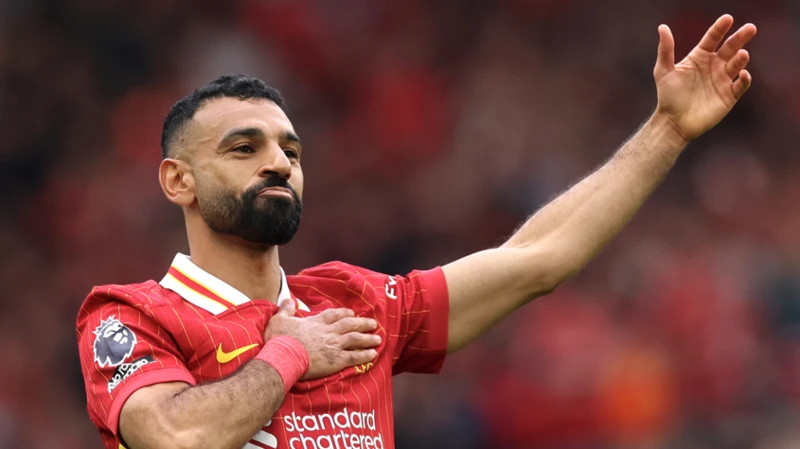
Mohamed Salah publicly accusing Liverpool of “throwing him under the bus” has put his future at Anfield in serious doubt and created a live trading opportunity for anyone betting on Liverpool, the Premier League, or player specials. When a star player goes to war with his club in public, markets always react – but not always in a rational way, which is where sharper bettors can find an edge.
Introduction: Why Salah’s Outburst Matters to Bettors
Salah isn’t just another forward; he’s been Liverpool’s attacking reference point for years, carrying a huge share of their goals, penalties, and big‑game moments. When a player of that profile suggests he’s being scapegoated and hints that he might be done with Liverpool, it affects everything from match odds to long‑term futures and transfer markets.
Across a decade of betting on and analysing the Premier League, the pattern is familiar: public bust‑ups trigger emotional money that rushes in before anyone has really adjusted for the actual on‑pitch impact. That’s exactly why the Salah story – and the way Liverpool handle it – can give you opportunities if you stay calm, focus on line‑ups and numbers, and avoid chasing headlines.
What Actually Happened – And What It Signals
The spark was a 3-3 draw away at Leeds where Salah was benched again, part of a run of games where his role under Arne Slot has become increasingly uncertain. After the match, he gave an explosive interview, saying he’d been “thrown under the bus”, that someone at the club doesn’t want him there, and strongly questioning his relationship with Slot and the hierarchy.
This wasn’t a passing sulk. Reports around the club suggest the tension has been building for weeks, starting with his omission from the XI, vague comments about “earning his place”, and Slot being non‑committal about when Salah would return as a regular starter. When an all‑time club great reaches the point of challenging the manager in public, it usually means one of two things: either a rapid reconciliation or a fairly swift separation. Both paths have clear betting implications.
From a bettor’s perspective, the key signal isn’t just the quote; it’s the combination of public criticism, benching, and ongoing media noise. That mix almost always leads to a period of volatility in performance and selections, which the markets don’t always price perfectly.
Short-Term Match and Player Markets: Where Edges Can Appear
In the short term, the main question is simple: does Salah start, and if he does, what version of him do we get? Minutes and motivation are everything when you’re pricing goals, shots, and assists markets. If he continues to be benched or used only as a late substitute, traditional anytime scorer odds can easily be too short relative to his actual pitch time.
The immediate effect of the bust‑up can show up in:
- Match odds: A distracted or divided Liverpool side can underperform expectations, especially away from home or in tough fixtures.
- Goal lines: Defensive concentration tends to suffer in periods of internal drama, which can lean games towards both‑teams‑to‑score and higher totals.
- Player props: If Salah’s minutes drop, the value often shifts to his replacements – wide forwards stepping into his role, penalty takers, or advanced midfielders seeing more of the final‑third ball.
In similar situations over the last decade (think star forwards clashing with managers at big clubs), one useful habit has been to track the first two or three matches after the fallout. If the starting XI and structure remain unsettled, it’s usually a good time to reduce stakes on heavy favourites and look for more granular angles like shots for specific players or cards in tense games.
Salah’s Output, Minutes and the UK Betting Markets
To understand how the UK gambling rule changes December 2025 interact with a story like this, think about how promotions and markets around star players are marketed. Offers built around “boosted odds” on Salah to score, multiple‑leg bet builders, or request‑a‑bets are all heavily dependent on his status as a guaranteed starter.
If his minutes become unpredictable, the way you use these markets has to change. For example:
- Anytime scorer bets: If team news suggests he might be benched, waiting for confirmed line‑ups before committing becomes vital.
- Shots on target: Books often leave lines near his season averages, but a run of 20–30 minute cameos completely changes the value of those prices.
- Assist markets: If he is shifted into a different role (wider, deeper, or more of a decoy), expect assists to remain live but raw shot volume to drop.
In practical terms, treat this version of Salah less like the automatic 90‑minute talisman of the Klopp era and more like a high‑impact but uncertain‑usage forward. When uncertainty is high, the smartest adjustment is to lower stake size and tighten your edge requirement on each bet.
Transfer Speculation and Outright Futures
Whenever a player of Salah’s stature publicly questions his future, the next thing that moves is the transfer and outright markets. Rumours around a Saudi Pro League move have never really gone away, and a breakdown with Liverpool’s current management only adds fuel to those markets.
Here’s how to think about it from a betting point of view:
- Liverpool top‑four / title odds: If the market believes Salah is leaving soon, these prices can drift, sometimes too far, especially if fixtures are tough in the same period.
- “Next club” specials: These are fun but often wildly inefficient. Early odds usually lean heavily towards the most talked‑about league or club (Saudi, PSG, etc.), and that public money can distort probabilities.
- Season specials: Salah goals and assists totals, Liverpool team goals, and other long‑range markets may need a second look if there’s a realistic chance he leaves mid‑season.
In previous high‑profile sagas, the best value has rarely been on the headline “to join X” markets. Instead, it often appears in more boring spots – such as a slight overreaction against the club in outright markets, when the team’s underlying numbers remain fairly solid even without the star on the pitch.
Using Public Fallouts as a Betting Framework
What makes the Salah situation useful for bettors is that it fits a pattern seen many times. Over the years, a simple framework has proven helpful whenever a big name clashes with their club:
- Ignore the first emotional wave. The instant odds moves and social media takes are driven by emotion, not analysis.
- Watch minutes, not quotes. If the manager actually drops the player or changes the shape, that’s when you adjust your numbers.
- Track the dressing‑room temperature. If other senior players start commenting, or performances nosedive, then the issue is more than just one player.
- Re‑evaluate models quickly, but not constantly. You don’t need to change everything after every headline, only after clear changes in selection or tactics.
With Salah, all four points are in play. The quotes were dramatic, the minutes have already been volatile, and the manager has been cautious when questioned. That combination is exactly where disciplined bettors can get a small edge by being more patient and data‑driven than the majority of the market.
Risk Management When the News Cycle Is Hot
Stories like this are the kind that push people into bets they wouldn’t normally make. They feel like “inside information” because they are fresh and dramatic, but that doesn’t automatically make them profitable angles.
A few personal rules that have worked well over a decade of betting in similar scenarios:
- Keep stakes at or below your standard unit size, even if you feel strongly about your read.
- Avoid building big accumulators around clubs in obvious turmoil; one underperformance can wipe out a lot of otherwise solid legs.
- Make peace with the idea that you’ll miss some moves. It’s better to let an uncertain situation pass than to try to “print money” off gossip.
In other words, use the Salah saga as a way to sharpen your discipline rather than as an excuse to overextend your bankroll.
Conclusion: Turning the Salah Drama Into an Edge, Not a Trap
The Salah situation is messy, emotional, and exactly the type of story that can distract bettors from fundamentals: line‑ups, minutes, tactics, and price. His future may lie away from Liverpool, and his relationship with the current setup clearly needs repair, but that doesn’t mean every odds move that follows is justified.
If you want to profit from the uncertainty rather than get dragged by it, focus on how Salah’s minutes actually change, how Liverpool’s underlying performance metrics shift, and whether the market is over‑ or under‑reacting to each development.
If you’re betting around this story, take a moment now to review your current Liverpool and Salah positions. Tighten your staking, decide what information really matters to you (confirmed line‑ups, tactical changes, transfer announcements), and build your bets around that, not just the latest headline.
FAQs
1. How do the UK gambling rule changes December 2025 affect betting on players like Salah?
The UK gambling rule changes December 2025 are mainly aimed at making offers safer and clearer – for example, capping wagering requirements and restricting complex cross‑product promos – but they don’t change the core markets around player goals, shots, or transfers; they just make the promotional layer around those markets less confusing.
2. Is betting on Salah’s next club a good idea right now?
Transfer specials can be tempting, but prices are often driven by hype more than hard information, so unless you have a clear, reasoned view on timing and suitors, they’re usually better treated as small‑stake fun bets rather than serious value plays.
3. Should I avoid betting on Liverpool matches while this is going on?
You don’t have to avoid them completely, but you should demand a better price than usual to compensate for the extra uncertainty around selection, dressing‑room mood, and tactical tweaks, especially if Salah’s role continues to fluctuate.
4. Does public tension like this always mean a player will leave?
Not always; there have been plenty of cases where big players clashed with managers and then made up, but when criticism becomes this public, the odds of a medium‑term exit do increase, which is why outright and long‑term markets can move noticeably.
5. What’s the single most important thing to track in this Salah situation as a bettor?
The most important indicator is his actual game time and role over the next few weeks – whether he starts, how long he stays on, and how involved he is in Liverpool’s main attacking patterns – because that feeds directly into the value (or lack of it) in his scorer and shot‑related markets.
UK Gambling Rule Changes December 2025: What Players Must Know
Arsenal agree to sign Quintero twins